
Youth development programs don't survive on good intentions. They survive on the volunteers, sponsors, donors, and neighbors who show up. Here are six practical ways individuals, businesses, and organizations can support the kids in their community and the programs working to give them a real shot.
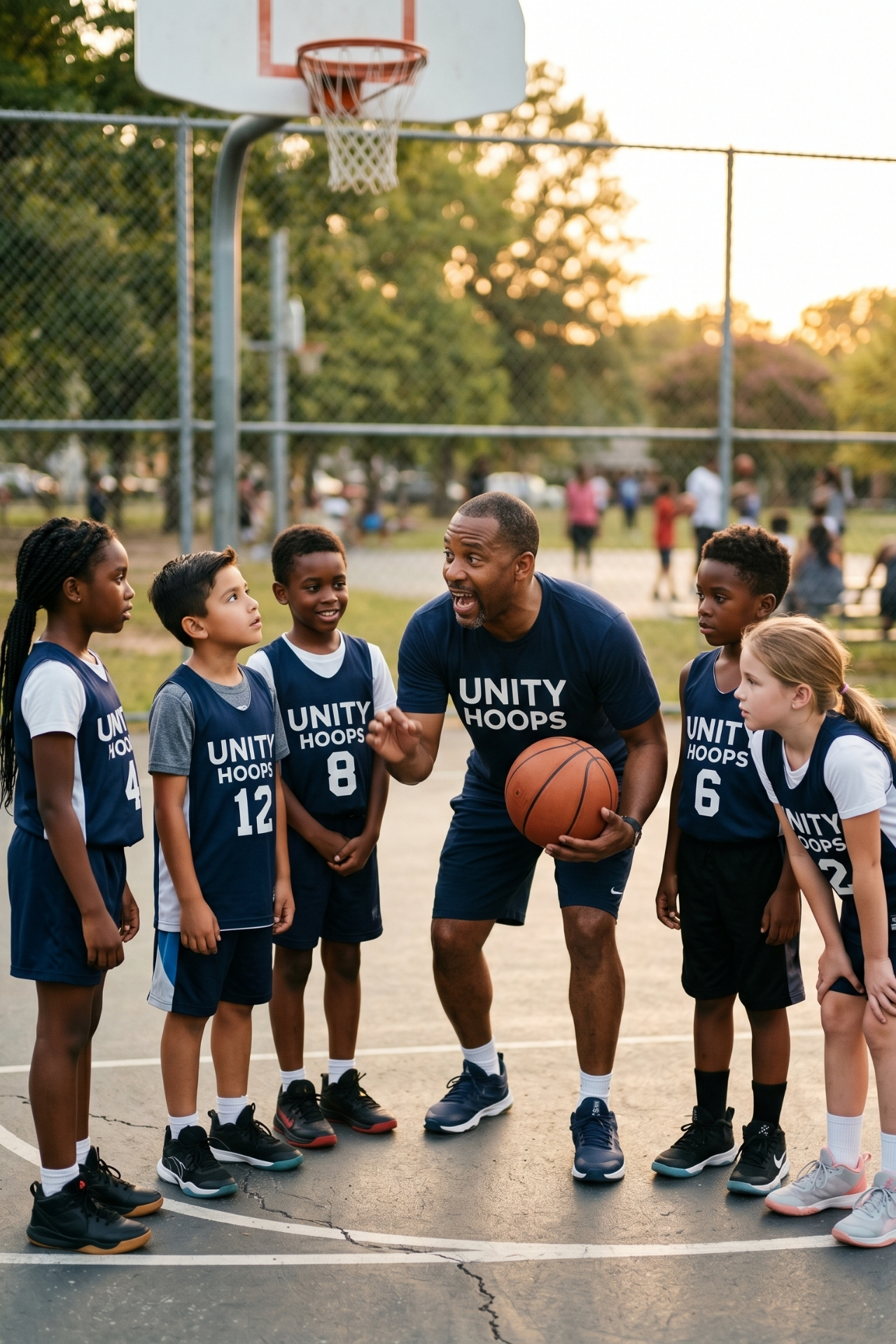
Optional image caption.
A Practical Guide for Individuals, Businesses, and Organizations
Youth development programs don't survive on good intentions, unfortunately.
They survive on volunteers who give their Saturday mornings. On local businesses that sponsor a team. On donors who cover registration fees so kids don't have to sit out. On community members who show up to games, share posts, and make introductions.
It takes a village. It always has.
At The Braxton Miller Foundation, we've seen what happens when a community rallies behind its young people. We've also seen what happens when they don't. The difference isn't resources, it's engagement.
This is a practical guide for anyone who wants to help youth programs succeed in their community. Whether you're an individual, a business owner, a civic leader, or an organization looking to make an impact, there's a role for you.
Before we get into the how, let's talk about the why.
Youth development programs, whether focused on sports, STEM, arts, or mentorship, are facing real challenges. The cost of youth sports alone has increased 46% since 2019. The participation gap between low-income and high-income households has widened to over 20%. Many community-based programs closed during the pandemic and never reopened.
At the same time, the benefits of these programs are well-documented. Research shows that youth who participate in structured out-of-school activities have better academic outcomes, improved social skills, and lower rates of risky behavior. A landmark study found that reaching the federal government's youth sports participation goal could save $80 billion in healthcare costs and productivity losses.
The programs exist. The research supports them. The kids need them.
What's often missing is sustainable community support.
1. Volunteer Your Time
Every youth program runs on volunteer labor. Coaches, board members, event staff, mentors, these roles are almost always filled by community members giving their time for free.
The need is constant. Programs are always looking for people who can help with practice, work registration tables, keep score, set up events, or simply show up and encourage kids.
You don't need to be an expert. You just need to be present.
How to start: Reach out to a local youth organization and ask what they need. Be specific about your availability, even a few hours per month makes a difference.
For employers: Consider implementing a Volunteer Time Off (VTO) policy that allows employees to volunteer during work hours. Companies like Disney, Target, and Dick's Sporting Goods have programs that provide grants to organizations where employees volunteer.
2. Sponsor a Team or Program
Local business sponsorship is the backbone of youth programming. It's also one of the most underutilized opportunities for small and mid-sized businesses.
Sponsorship isn't charity, it's a strategic partnership. Businesses get visibility in the community, brand recognition among families, and the goodwill that comes from supporting young people. Programs get the funding they need to operate.
The investment is often modest. Jersey sponsorships, field signage, and event sponsorships can range from $200 to a few thousand dollars, a fraction of most marketing budgets with a much more tangible community impact.
How to start: Identify youth organizations in your area and ask about sponsorship packages. Many have tiered options that fit different budgets.
What works: The best sponsorships are relationships, not transactions. Attend the events you sponsor. Get to know the kids and families. The return on investment grows when the partnership is authentic.
3. Donate Directly
Not everyone has time to volunteer or a business to sponsor. But almost everyone can contribute something.
Direct donations are the most flexible form of support. They allow programs to cover operating costs, subsidize registration fees for families in need, purchase equipment, and respond to unexpected expenses.
The impact of small donations adds up quickly. A $15 donation might cover a registration fee. $50 could buy a new basketball. $100 could sponsor a child for an entire season. When multiplied across a community, these contributions transform what a program can offer.
How to start: Look for youth organizations with easy online donation options. Set up a small recurring gift, even $10/month makes a difference over time.
For employers: Many companies offer donation matching programs that double employee contributions. Check if your employer participates and promotes these programs internally.
4. Show Up to Events
Attendance matters more than most people realize.
When kids look into the stands and see a crowd, they feel valued. When fundraising events are well-attended, they raise more money. When showcases draw community members, they build momentum.
Showing up is a form of investment that costs nothing but time.
This applies to games, tournaments, fundraising dinners, golf outings, showcases, and community events. Your presence signals that the work matters, to the kids, to the parents, and to the people running the programs.
How to start: Follow local youth organizations on social media. Put their events on your calendar. Bring a friend.
For businesses: Purchase tables at fundraising events. Bring your team. It's a networking opportunity and a community investment rolled into one.
5. Spread the Word
Youth programs live and die by word of mouth. The families who enroll, the volunteers who sign up, the donors who contribute, most of them heard about the program from someone they know.
Your network is more powerful than you think.
Sharing a social media post takes seconds. Mentioning a program to a parent at work costs nothing. Introducing a nonprofit leader to a potential donor or sponsor could unlock resources that sustain a program for years.
How to start: Follow local youth organizations and engage with their content. Share posts that resonate. When you hear someone looking for activities for their kids, make the connection.
For professionals: Think about who in your network might want to support youth programs. Make introductions. Facilitated connections are often more valuable than direct donations.
6. Build a Partnership
The most sustainable support comes from institutional partnerships, collaborations between youth programs and schools, churches, businesses, and local government.
These partnerships can take many forms. A church might provide facility space. A school district might promote programs to families. A business might send employees to volunteer as a team-building activity. A city agency might include youth programming in community development plans.
When organizations work together, the impact multiplies.
How to start: If you're in a position of influence at an organization, initiate a conversation with local youth programs about how you might collaborate. Start small, a single event or pilot program, and build from there.
What works: The best partnerships align incentives. Youth programs get resources and reach; partner organizations get community engagement, employee satisfaction, or mission alignment. Look for the win-win.
If you're reading this as someone who directs philanthropic resources, here's what I'd encourage you to consider:
Youth development programs, especially smaller, community-based ones, often lack the capacity to pursue complex grant applications. They're too busy running programs to write proposals. This creates a paradox where the organizations doing the most direct work have the least access to institutional funding.
Consider simplifying your application processes. Offer multi-year funding that provides stability. Fund operating costs, not just programs. Trust local leaders who know their communities.
The Dick's Sporting Goods Foundation has donated over $80 million to youth sports programs through their Sports Matter initiative. The Lilly Endowment has invested heavily in character development through youth programs. These models work because they meet organizations where they are.
At The Braxton Miller Foundation, we're working to remove barriers for young people in Ohio. Through sports, STEM education, and mentorship, we're creating pathways for kids who might otherwise be left behind.
But we can't do it alone. No youth program can.
The research is clear: communities that invest in their young people see returns for generations. Better health outcomes. Higher graduation rates. Stronger local economies. More engaged citizens.
The question isn't whether youth development matters. The question is whether your community will show up.
Here's our ask: Pick one thing from this list and do it. Volunteer a few hours. Make a donation. Share a post. Introduce someone. Attend an event. Start a conversation about partnership.
The kids in your community are watching. They're paying attention to which adults show up and which ones don't.
Let's give them something to believe in.
At The Braxton Miller Foundation, our work sits at the intersection of sports, STEM education, and mentorship. We believe that developing the whole child, not just the athlete, creates lasting impact. We operate in communities across Ohio where access gaps are real and where every dollar stretches further.
But this isn't about any single organization. It's about recognizing that youth sports and STEM education are infrastructure, as essential to healthy communities as schools, parks, and healthcare facilities.
The kids who participate in youth development programs today will become the leaders, employees, parents, and community members of tomorrow. The habits they build, the relationships they form, and the confidence they develop will compound over decades.
We can either invest in that future now, or pay the costs of inaction later.
The research is clear. The need is urgent. The opportunity is here.
Youth development matters in 2026 because our children matter. And right now, too many of them are being left behind.
Ready to get involved? Visit the thebraxtonmillerfoundation.org to volunteer, explore partnership opportunities or click here to make a donation.
Braxton Miller is a former Ohio State quarterback and NFL veteran. He founded The Braxton Miller Foundation to empower young people through sports, STEM education, and mentorship.
New stories, program updates, and insights about youth sports, STEM, and mentorship delivered when we publish.